Amid a strong turnout of Chinese businessmen and investors, Liwan explores new horizons for architecture and real estate investment
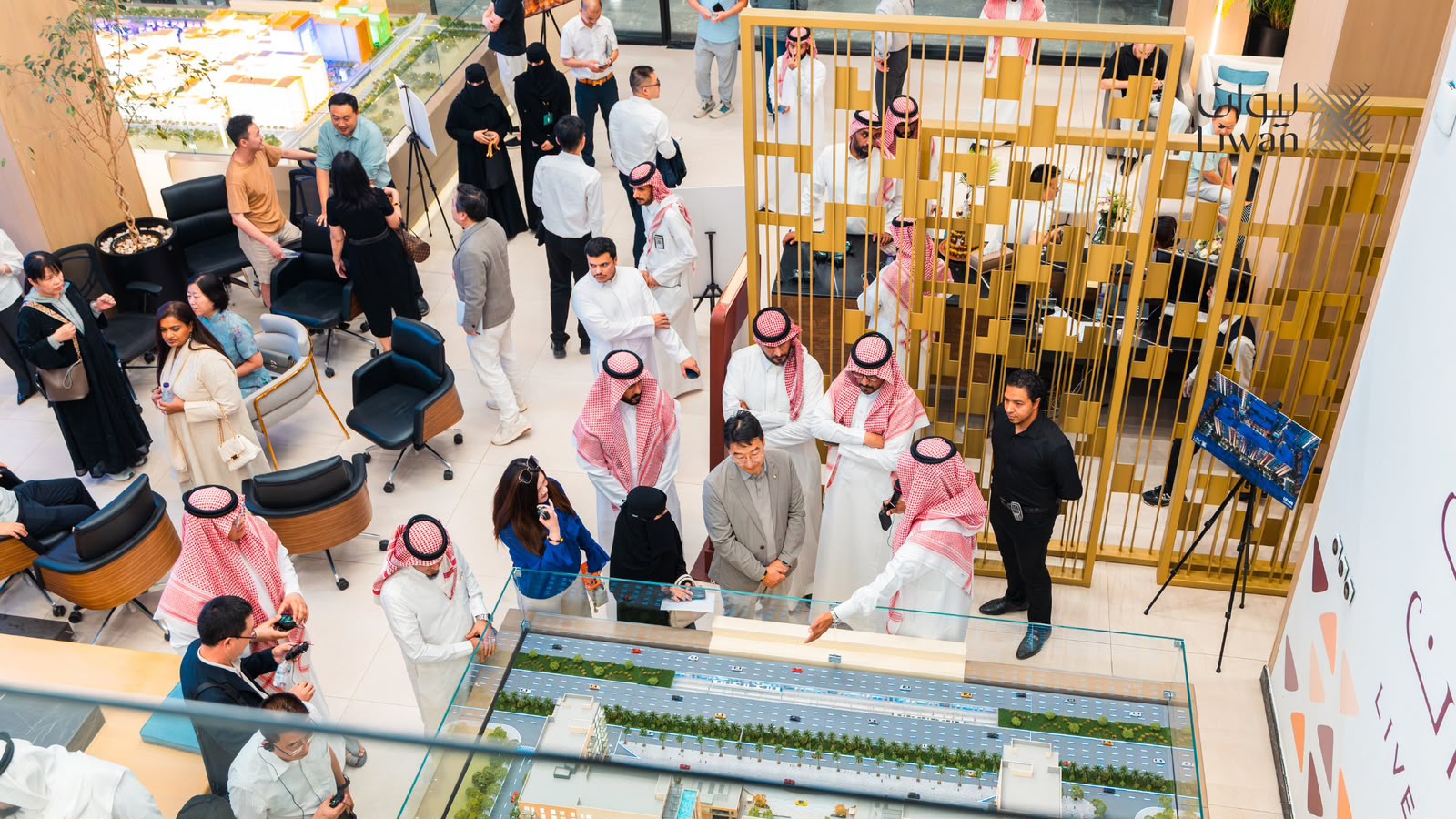
Liwan Real Estate Development Company organized a seminar titled "The Modern Interpretation of Traditional Architecture" in Riyadh, witnessing a large turnout and remarkable engagement from businessmen, investors, and capital owners, alongside a select group of professionals interested in design and real estate development. The event also featured prominent participation from the Chinese community, in a step that reflects the growing interest in the Kingdom's urban landscape and its promising opportunities for investment and property ownership.
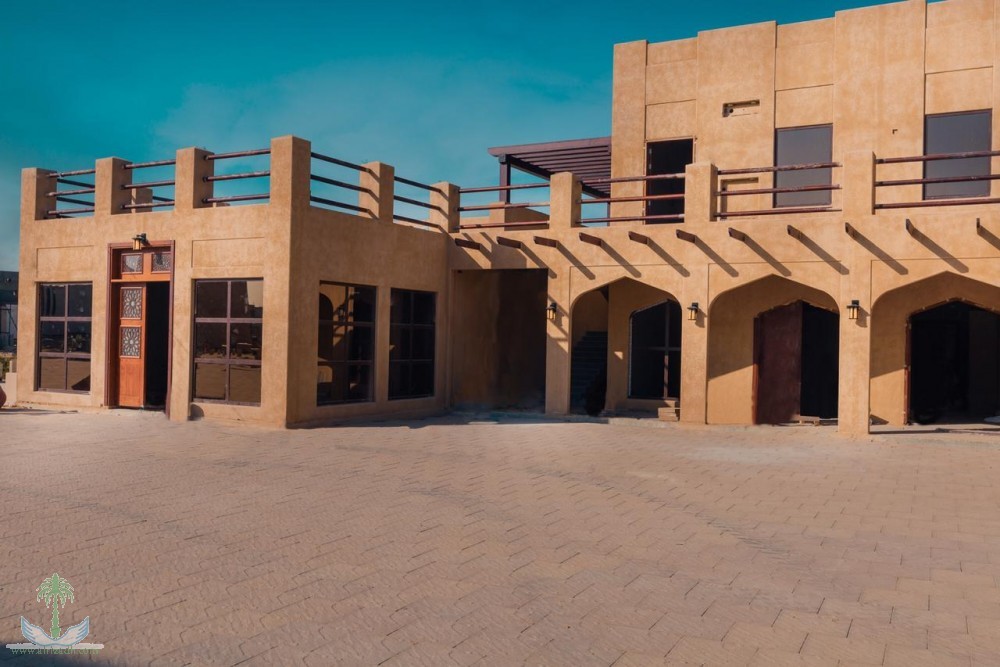
The seminar aimed to explore the points of convergence and similarities among Najdi heritage, the Salmani architectural style, and classical Chinese gardens. It also shed light on how cultural and architectural heritage can inspire the development of contemporary designs that cater to the needs of individuals, the environment, and the location.
Furthermore, the seminar provided attendees with the opportunity to learn about the rapidly growing urban landscape in Riyadh and explore Liwan's innovative projects. These projects offer a contemporary interpretation of the local identity, seamlessly blending Saudi authenticity with the modern character of the Salmani design.
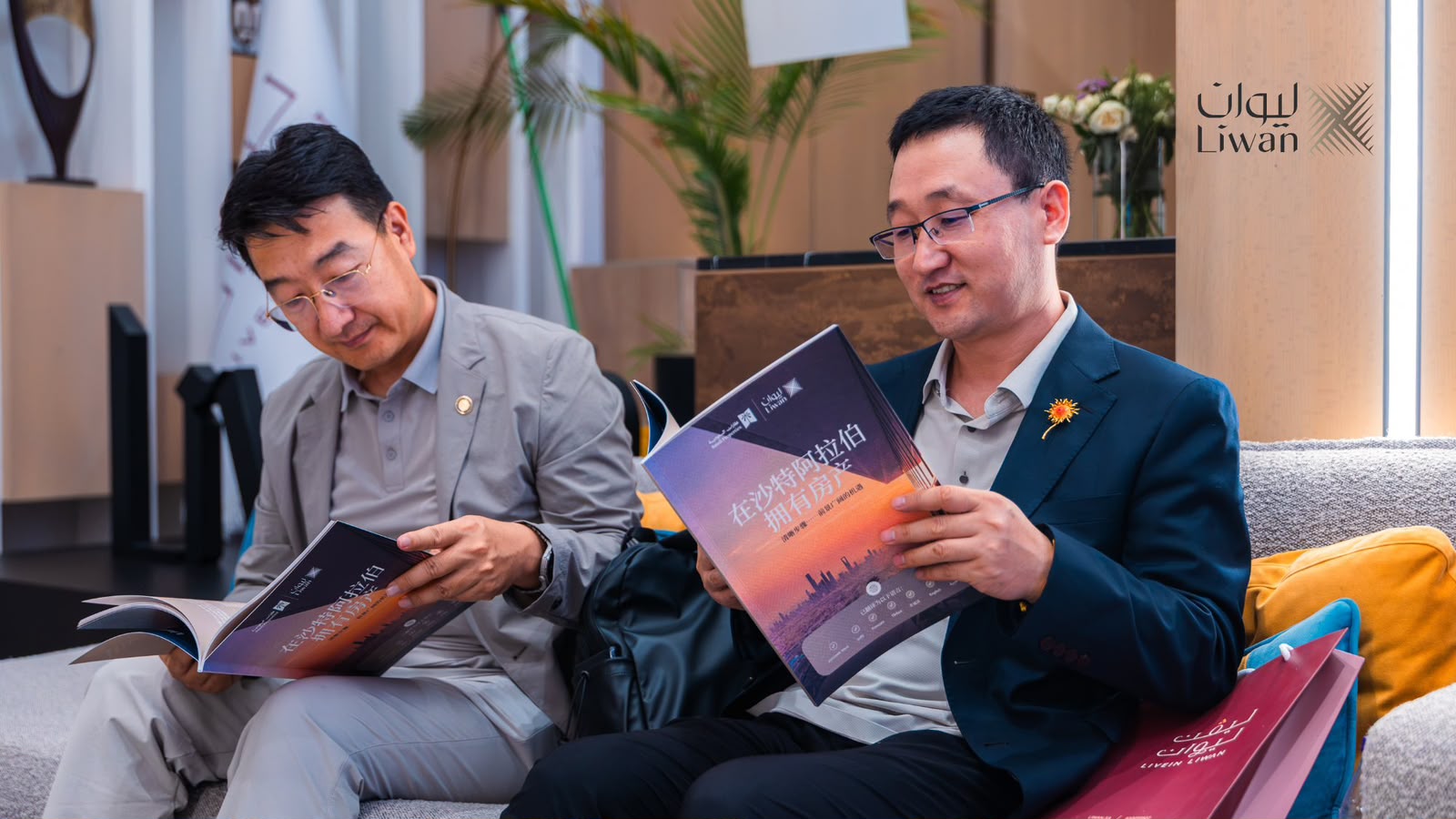
The seminar also highlighted the strategic partnership between Liwan and the "Saudi Real Estate" platform, which culminated in the launch of a simplified guide for non-Saudi real estate ownership in the Kingdom of Saudi Arabia. Translated into seven languages, including Chinese, the guide has garnered significant interest and attention, particularly from investors, businessmen, and members of the Chinese community. It serves as an accessible reference detailing the regulations, procedures, and guidelines related to non-Saudi property ownership and investment in the Saudi real estate market.
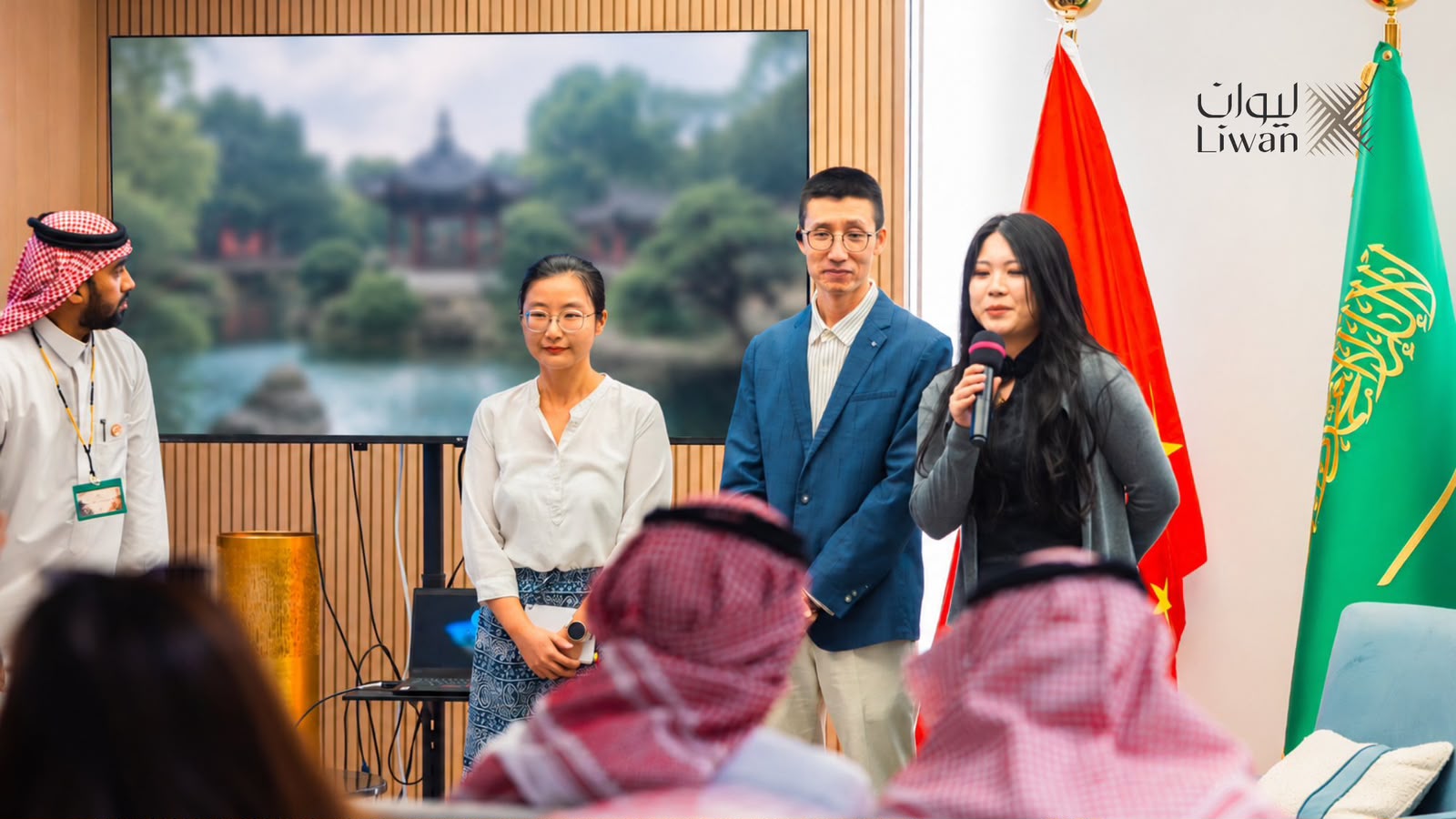
The symposium hosted Chinese architectural designer Wang Xindan, who discussed the similarities and intersections between Najdi architecture and Chinese gardens. The session witnessed remarkable engagement, reflecting the growing interest from the Chinese side in the Kingdom's urban landscape and 'Liwan' real estate projects, alongside the desire of several attendees to explore property ownership and real estate investment opportunities.
Commenting on the symposium's proceedings, Mr. Abdulrahman Al-Duhaim, CEO and Board Member of 'Liwan', stated: "The symposium aimed to explore the common links between Najdi architecture and civilization and the Salmani style, as well as their points of intersection with classical Chinese gardens. It also discussed how to draw inspiration from architectural heritage to develop designs that meet human aspirations and harmonize with the environment and location. Furthermore, the symposium provided an opportunity to introduce 'Liwan' projects and its efforts in contributing to the development of the urban environment."
He added, "At 'Liwan', we believe that architecture is a language that transcends borders, and that intercultural dialogue is capable of creating new opportunities for collaboration, investment, and placemaking," emphasizing the importance of enhancing cultural and knowledge exchange in line with the urban and investment transformations taking place in the Kingdom.
It is worth noting that 'Liwan Real Estate Development' recently launched, in strategic partnership with the 'Saudi Real Estate' platform, a simplified introductory guide translated into seven languages, including Chinese. This guide aims to familiarize interested parties worldwide with the regulations governing non-Saudi property ownership and real estate investment controls in the Kingdom.
Liwan Real Estate Development, established in 2020 and headquartered in Riyadh, is a Saudi company specializing in urban development. It seeks to develop modern, integrated residential communities that combine Saudi authenticity with contemporary design, contributing to enhancing the quality of life and supporting the objectives of Saudi Vision 2030.