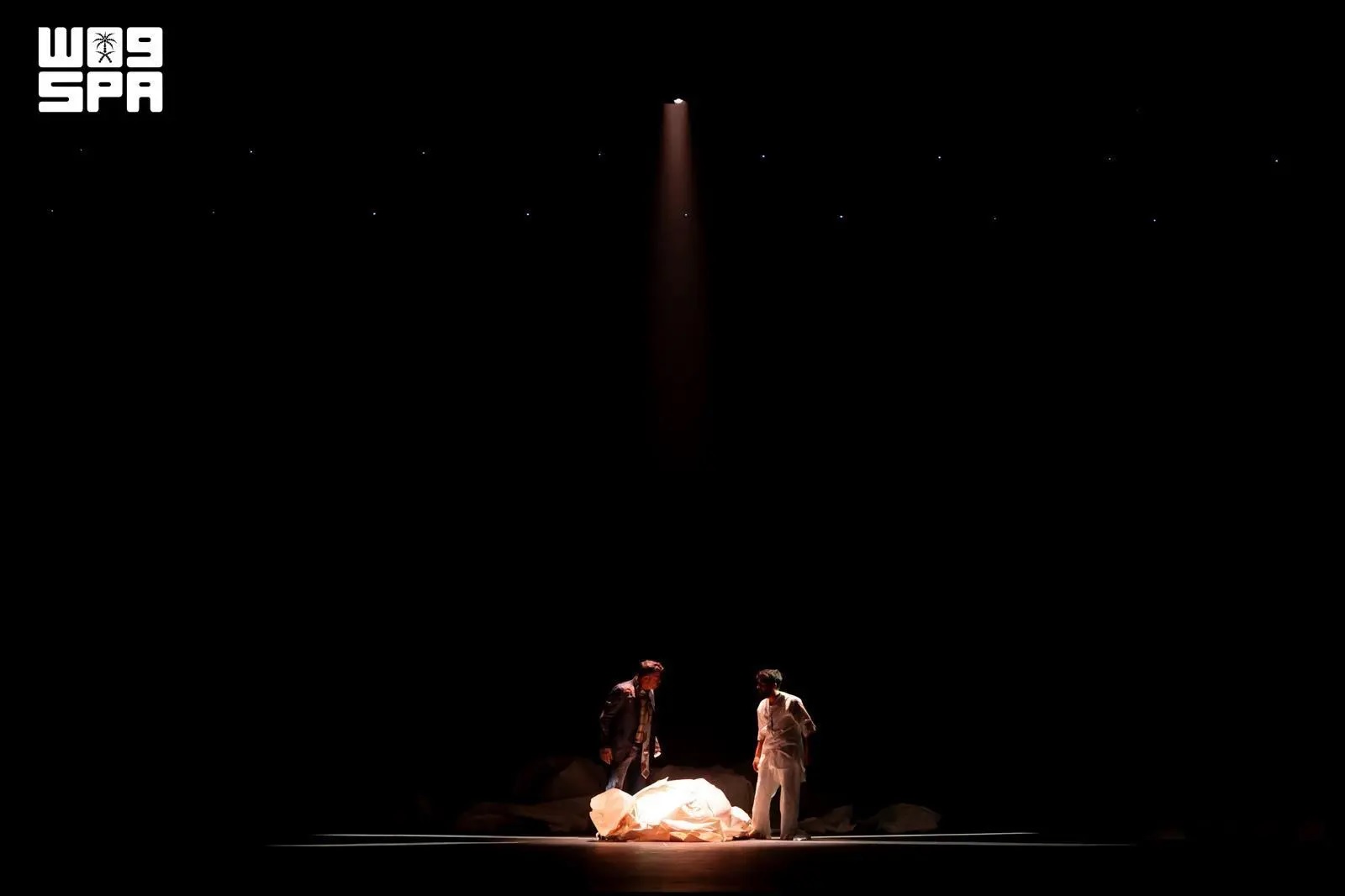
Theatrical Illusion Anchors Credibility and Engagement in Stage Arts
Theatrical illusion is a foundational artistic pillar of stage productions, using the interplay of performance, scenography, lighting, and sound to build dramatic worlds in which imagined characters and narratives resonate credibly with audiences while its artistic nature stays in view.
An actor's delivery is central to this dynamic, requiring an understanding of a character's psychological and social dimensions to project authenticity through vocal inflection, body language, and stage interaction.
Actor Ali Al-Duwayan noted that theatrical illusion functions as both an artistic and psychological process, persuading spectators of the dramatic reality on stage while individual responses to believability naturally vary. Actor Samir Al-Nasser observed that this illusion originates in the written text and materializes through set design, lighting, music, and the emotional and physical depth performers bring to their roles.
Scenographic components, including set architecture, mood lighting, costumes, props, and acoustics, establish the physical and temporal setting, reinforce dramatic focus, and support the director's overarching vision. Cultural affairs researcher Dr. Salman Al-Shehri highlighted that harmonizing technical elements with acting strengthens narrative coherence and moves beyond mere imitation, engaging viewers emotionally and intellectually.
Historically, performance methodologies have evolved distinct approaches to stage realism. While Russian Konstantin Stanislavski's technique centered on psychological realism, character motivation, and emotional sincerity to deepen audience immersion, alternative theatrical movements introduced critical distance. Most notably, German Bertolt Brecht's "epic theatre" applied the alienation effect (Verfremdungseffekt) to disrupt total emotional absorption, prompting spectators to critically analyze the social, economic, and intellectual themes conveyed on stage.
Ultimately, theatrical illusion transforms text into an active sensory experience, translating abstract themes into tangible stage narratives that sustain dramatic impact and intellectual engagement.