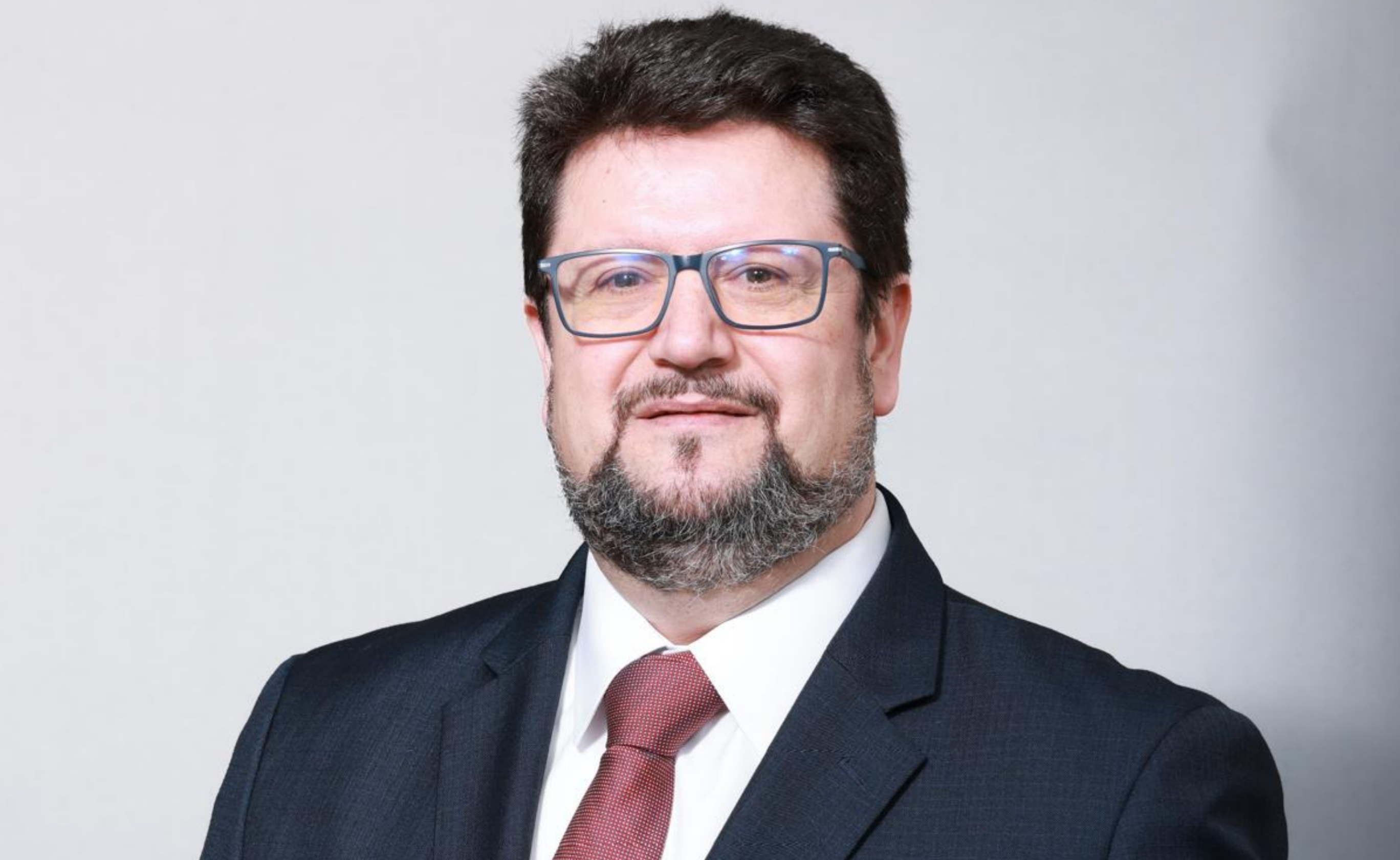
 Francisco Plaza
The Real Value of Precision Medicine Lies in Outcomes, Not Innovation Alone
This year’s World Cancer Day highlights a powerful truth: no two people experience cancer in the same way. Each journey is shaped by an individual’s biology, risk factors, and life circumstances. This understanding has never been more relevant as Saudi Arabia accelerates its healthcare transformation toward care that is more personalised, outcomes driven, and sustainable.
Precision medicine brings the promise of personalisation into clinical practice. It is an approach to care that uses insights from a patient’s biology, disease characteristics and environment to help guide more informed treatment decisions. By shifting care away from one size fits all models and toward treatments guided by the specific molecular features of a patient’s cancer, this approach supports clinicians in selecting therapies with greater precision and confidence.(1) The goal is straightforward: the right treatment, for the right patient, at the right time.
In oncology, precision medicine is already changing outcomes. As our understanding of disease drivers improves, clinicians can match patients to therapies that target the biology of their cancer. For example, in incurable diseases like multiple myeloma, targeted agents and novel modalities have been shown to extend survival and improve quality of life for patients. These advances demonstrate how scientific progress can translate into real benefits for families.
The impact of precision medicine is felt by patients and by the health system. Patients often experience fewer unnecessary side effects and greater clarity about treatment options.(2) Health systems benefit when interventions are better aligned to likely outcomes. In an environment of growing demand and constrained resources, smarter allocation improves both sustainability and patient care.
Now, when we speak of the value of health, we must look beyond cost. True value is measured in outcomes that matter to people. Early diagnosis, timely access to care, fewer avoidable complications, and preserved quality of life, all represent real value. So does reducing the emotional and financial burden on families. These are the measures that should guide investment and policy.
Saudi Arabia’s health transformation and the ambitions of Vision 2030 create a powerful opportunity.(3) By investing in earlier diagnosis, integrated care pathways, and high-quality diagnostics, the Kingdom can scale the benefits of precision medicine. This is not only about technology. It is about protecting time, dignity, and opportunity for every patient.
Scaling precision medicine depends on a strong ecosystem. It requires faster diagnosis and reliable pathology and biomarker testing. Clear referral routes and coordinated multidisciplinary care are essential. Health data systems must support evidence generation and continuous improvement. Access and payment models should reward real patient outcomes. Strengthening these elements will expand how many patients benefit.
Partnership is also essential. No single stakeholder can solve cancer alone. Governments, clinicians, patient organisations, academia, and industry must work together. Collaboration can strengthen diagnostic capacity, support clinical education, generate local real-world evidence, and expand access in ways that preserve long-term sustainability. When public and private sectors align around patient outcomes, innovation delivers impact at scale.
At Johnson & Johnson we are committed to playing our part. Our focus is on advancing research, supporting clinical networks, and partnering to expand equitable access to meaningful innovations. In Saudi Arabia, this includes supporting the availability of personalised approaches in areas of cancer care such as multiple myeloma, bladder, prostate, and lung cancers, in line with local clinical practice and regulatory frameworks. We believe that responsible adoption of precision medicine must be accompanied by investments in local capacity and by value-based approaches that put patient outcomes first. This commitment guides how we work with health systems in Saudi Arabia and around the world.
Personalising cancer care is essential to improving outcomes for every patient. Precision medicine offers a pathway to more personalised, evidence driven, equitable, and valuable care. The opportunity now is to ensure that these advances are not available to a few but become part of the standard of care for many. Our responsibility is shared. Together we can deliver better outcomes and strengthen the value of health for every patient in Saudi Arabia.
References:
1. Introduction to precision medicine. Stefanie Lip, Sandosh Padmanabhan. https://www.sciencedirect.com/science/article/pii/S1357303925001070#:~:text=rights%20and%20content-,Abstract,to%20transform%20global%20healthcare%20systems.
2. CPGR. Pharmacogenomics: The Future of Personalized Medicine. https://www.cpgr.org.za/pharmacogenomics-the-future-of-personalized-medicine/#:~:text=Improved%20Patient%20Safety:%20Minimizes%20the,work%20differently%20in%20each%20individual.
3. Global Health Exhibition. Saudi Arabia Accelerates Healthcare Innovation with Major Investments. https://www.globalhealthsaudi.com/en/news/healthcare-insights/Saudi_Arabia_Accelerates_Healthcare_Innovation_with_Major_Investments.html#:~:text=Increased%20investment%20in%20Saudi%20Arabia's,a%20more%20efficient%20healthcare%20system.