Second Forum for Associations in Makkah Region’s Governorates and Villages Launches Today
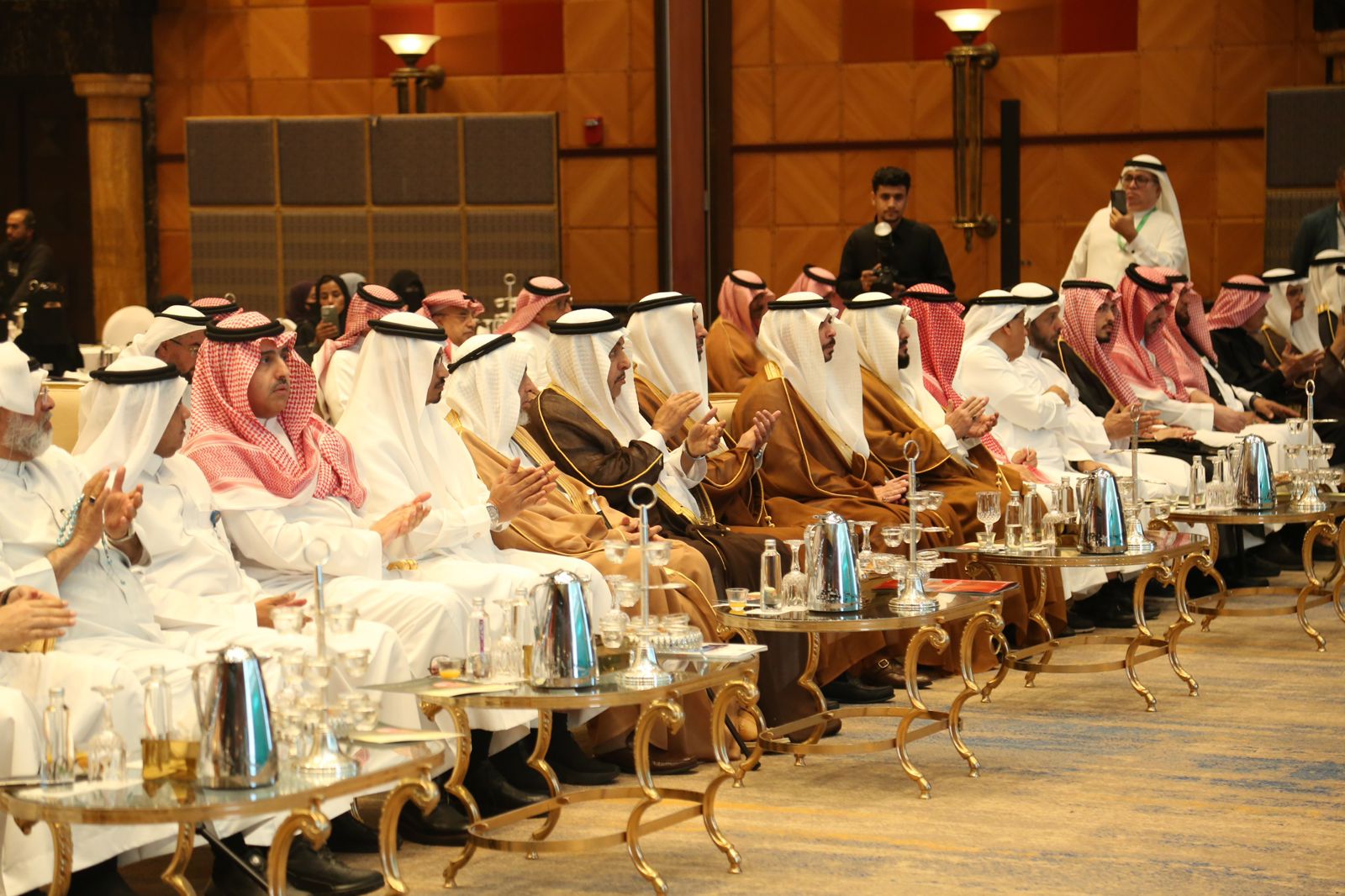
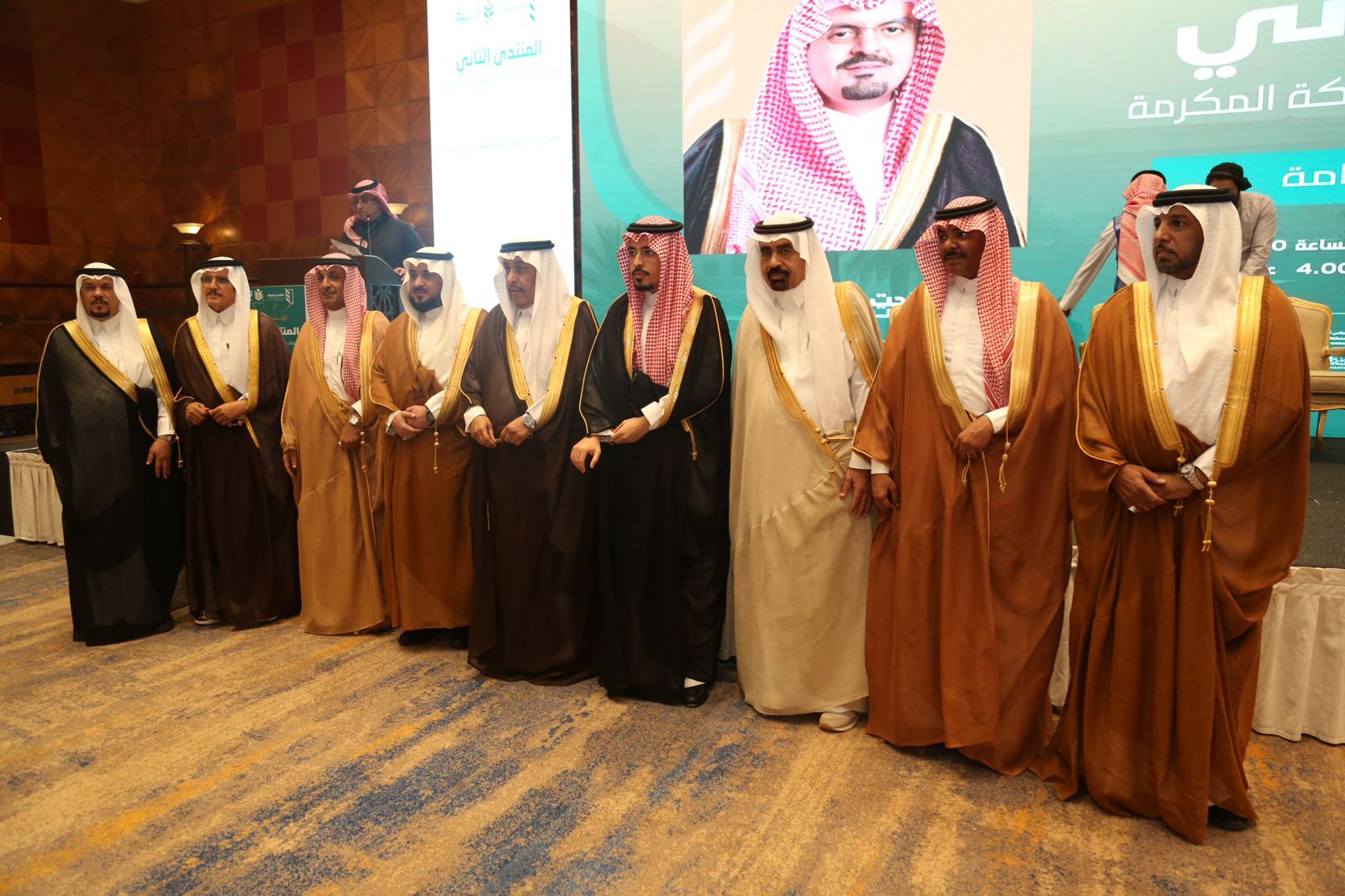
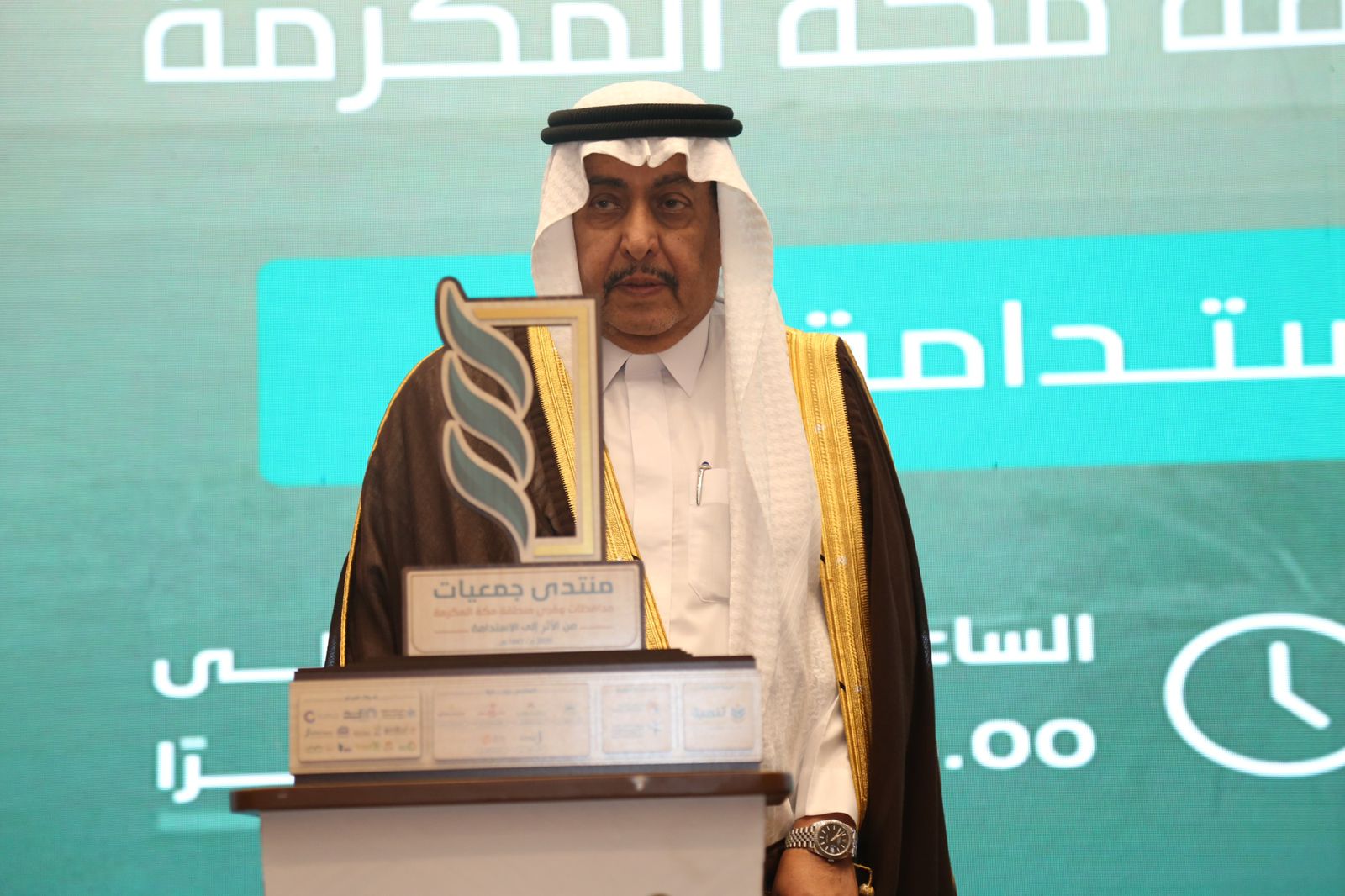
The second Forum for Associations in the Governorates and Villages of the Makkah Region opened today in Jeddah under the theme “From Impact to Sustainability.” Organized by the Village Development Charitable Society (Tanmia), the event brought together leaders from the non-profit sector, key decision-makers, and funding partners, under the patronage of His Royal Highness Prince Saud bin Mishaal bin Abdulaziz, Deputy Governor of the Makkah Region.
Attendees included top representatives from government, private industry, and non-profits, alongside more than 300 entities and community associations from across the region’s governorates and villages. The strong turnout highlights rural associations’ growing role as vital partners in sustainable development and Saudi Vision 2030 objectives.
The forum seeks to elevate non-profit performance through a comprehensive impact measurement framework. It builds awareness of key concepts tied to Vision 2030, while equipping associations with cutting-edge tools like key performance indicators (KPIs), Social Return on Investment (SROI), and theory of change models.
Dialogue sessions and expert-led workshops will explore ways to strengthen association capabilities, link development outcomes to national benchmarks, and boost long-term efficiency.
Khalid Al-Oseimi, CEO of Tanmia, said the forum arms associations with practical tools and proven methods to sharpen planning and execution, directly aligning results with national priorities. Its hands-on content helps improve decision-making, enhance reporting credibility, and forge stronger ties with donors and supporters.
Tanmia is fostering a collaborative learning ecosystem to share expertise, standardize impact practices, and amplify rural development across Makkah’s governorates and villages.
Civil associations grapple with core challenges in measuring impact, particularly as the non-profit sector experiences rapid growth. This situation underscores the urgent need for national standards to streamline measurement methods, reduce duplication, and deliver tangible results.
Major obstacles include transparency and accountability gaps, often caused by limited sharing of results between associations and government agencies, along with ineffective channels for demonstrating impact to the public and donors. Associations also grapple with weakening research partnerships at universities and study centers, as well as a lack of practical studies to refine local measurement tools.
These issues are compounded by chronically tight budgets for evaluation, typically less than 5% of total spending, with resources skewed toward program delivery rather than assessment. Other pain points involve outdated data collection and analysis systems, underutilized digital platforms and AI capabilities, inconsistent standards that hinder comparisons and aggregation, the absence of a national benchmark, limited expertise in advanced tools like KPIs and SROI, and an organizational culture that doesn't yet prioritize impact tracking as essential to sustainable development.
The forum will host the signing of new cooperation agreements and strategic partnerships connecting associations with supporters and private-sector partners. It is also developing practical recommendations for officials, advocating for a unified national impact measurement framework and a dedicated platform to share data and insights among organizations.
Key highlights feature more than 10 success stories from rural associations that have generated clear community benefits, complemented by an exhibition showcasing leading impact organizations. This setup fosters networking, high-value partnerships, and exploration of innovative funding models such as impact bonds and social accelerators—to ensure the long-term viability of development projects.
Ultimately, the forum acts as a national hub for exchanging expertise, forging alliances, and transferring practical knowledge between associations, donors, and public, and private-sector players. It propels charitable efforts from short-term gains to lasting sustainability, highlighting the increasing maturity of rural development across Makkah Region's governorates and villages.