Saudi Scientific Study Develops AI-Powered Detection of Obstructive Sleep Apnea
A Saudi scientific study has developed an intelligent model for detecting obstructive sleep apnea (OSA), a condition affecting more than one billion people worldwide, using unidirectional electrocardiography (ECG) signals and artificial intelligence (AI) techniques.
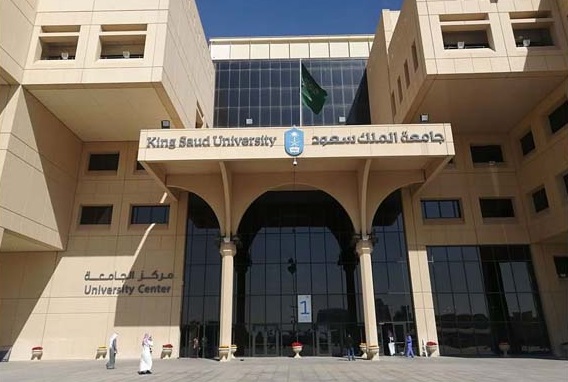
The findings, published in "Frontiers in Artificial Intelligence" and conducted by Dr. Malak Al-Marshad at the University Sleep Medicine and Research Center, College of Medicine, and Medical City at King Saud University, detailed the development of an “attention transformer-based deep learning model” designed to improve the accuracy and speed of diagnosing OSA.
The study noted that the proposed diagnostic approach is more efficient than traditional polysomnography (PSG), which is time-consuming, costly, and requires specialist analysis. The model uses transformer-based AI technology, similar to that in large language models, relying on a single ECG signal and autoencoder-based positional encoding to process raw data without complex preprocessing.
Results showed that the model outperformed previous studies by 13% in F1 score and achieved high temporal accuracy, detecting apnea events with precision down to one second. It offers physicians faster, more affordable, and reliable diagnostic support, even when using noisy real-world data.
The research reflects growing interest in applying AI in sleep medicine. King Saud University ranked 18th globally in sleep medicine research over the past five years, while Professor Ahmed BaHammam of the College of Medicine at King Saud University ranked fifth worldwide among sleep medicine scientists during the same period, according to the 2025 ScholarGPS rankings.