Al-Dawariq Square in Makkah Recalls Tradition of Serving Zamzam Water
Al-Dawariq Square in Makkah is a prominent urban landmark that reflects part of the holy city's social and cultural history, recalling the long tradition of serving Zamzam water to Hajj and Umrah pilgrims, a custom closely tied to the people of Makkah.
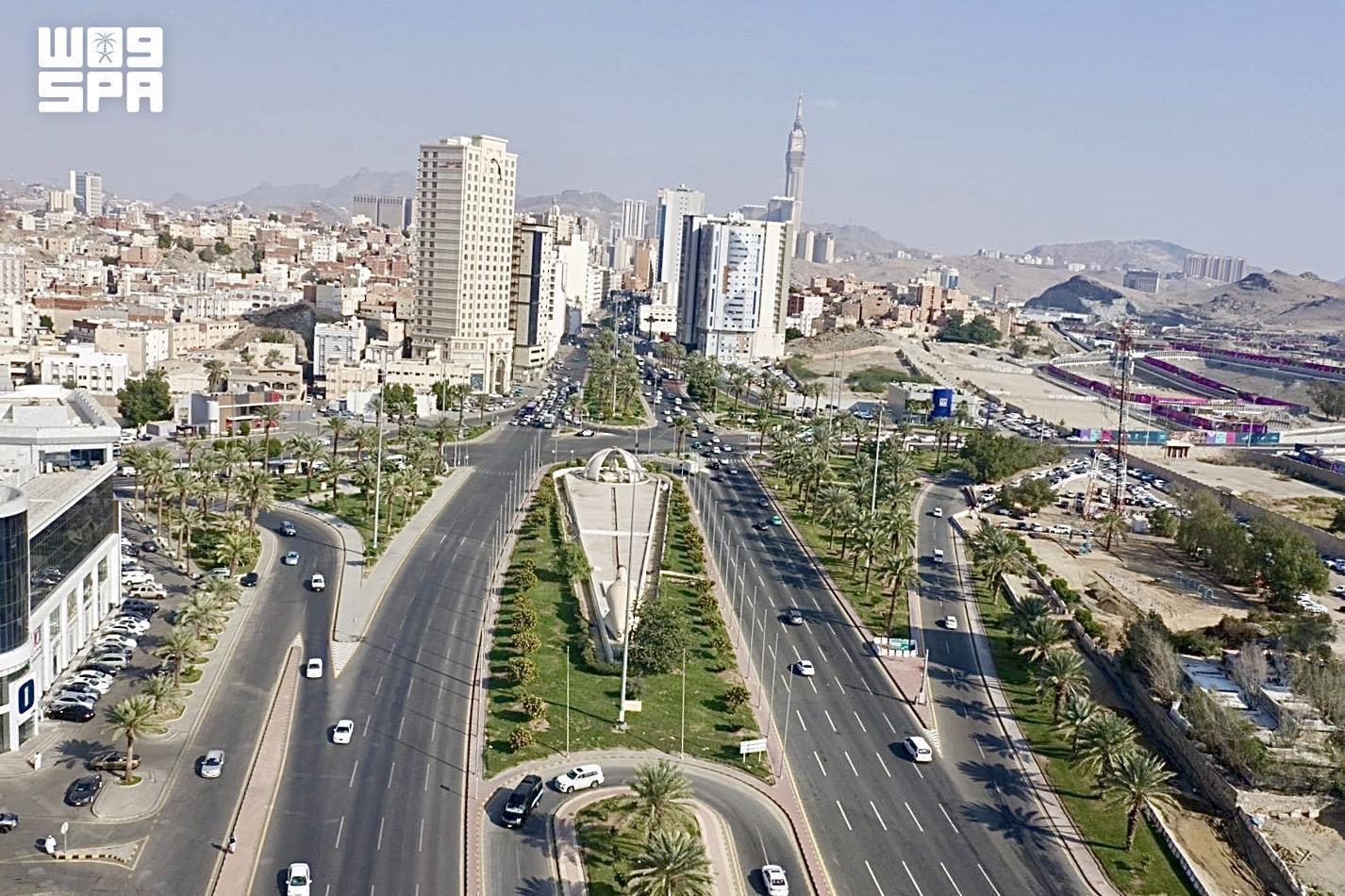
Located at the main gateway to Makkah on Prince Mohammed bin Salman bin Abdulaziz Road, which links the city with Jeddah, and near Al-Sitteen Street, Al-Rusayfah district, and Al-Hijaz Market, the square greets arrivals with sculptures modeled on the vessels once used to serve Zamzam water.
The square takes its name from the dawariq, traditional earthenware jars the people of Makkah used to store and serve water, especially Zamzam. The jars are closely linked to the zamazimah, the water-servers whose profession, passed down through generations, was devoted to providing pilgrims with water. Before modern bottling and distribution, earthenware jars were the main means of storing and serving water, and they have become enduring symbols of generosity and hospitality in Makkah.
The square's sculpture turns an everyday object from the past into an urban landmark, connecting today's generations with their city’s history and introducing visitors to the heritage of Zamzam water.
According to the Holy Makkah Municipality, the square covers about 5,664 square meters. The municipality included it in its Creative Touch for Square Design initiative, launched in 2022 to enhance the city's aesthetics, highlight its architectural identity, and improve its urban landscape while preserving its traditional character. The square's heritage monument was also renovated to make public spaces more attractive and preserve landmarks rooted in the city’s memory.
The square shows the value of incorporating heritage into public spaces, strengthening the bond between generations and their cultural legacy in line with Saudi Vision 2030's goals to develop the holy city and improve quality of life. It remains a symbol of a tradition that has evolved from earthenware jars to the modern systems now used to supply Zamzam water, greeting those arriving in Makkah and reflecting its people's long commitment to serving pilgrims.