Environment, Water, Agriculture Sector Achieves Record Milestones in 2025
The Ministry of Environment, Water and Agriculture has reported record-breaking national accomplishments across local and global indicators for 2025. These achievements, aligned with Saudi Vision 2030, have significantly enhanced food and water security, promoted environmental sustainability, and diversified the national economy.
Under the Saudi Green Initiative, the environment sector successfully rehabilitated the first million hectares of degraded land and planted over 159 million trees, moving toward the national goal of 10 billion. Utilizing remote sensing and GIS technologies, the National Greening Program has boosted ecotourism and private sector investment. The sector also achieved a 260% growth in waste diversion, reaching 18% of total annual production, with a strategic plan identifying 387 investment opportunities valued at over SAR700 billion.
Wildlife reintroduction programs saw the release of 1,593 species, with 901 more planned by the end of 2025. The establishment of the 31-million-square-meter Thadiq breeding and recreation center and the recognition of five coastal sites as Important Bird Areas (IBAs) by BirdLife International further solidify the Kingdom’s role in biodiversity protection. Regionally, the Kingdom leads the Green Middle East Initiative and is activating its presidency of COP16 for 2025–2026.
The Kingdom solidified its status as the world’s largest producer of desalinated water, with supplies projected to reach 16 million cubic meters per day by 2025. Saudi Arabia now holds 11 Guinness World Records in the water sector, including the largest reverse osmosis system and the lowest energy consumption for desalination. Domestic manufacturing is also expanding, with the first local reverse osmosis membrane plant contributing SAR1.5 billion to the GDP.
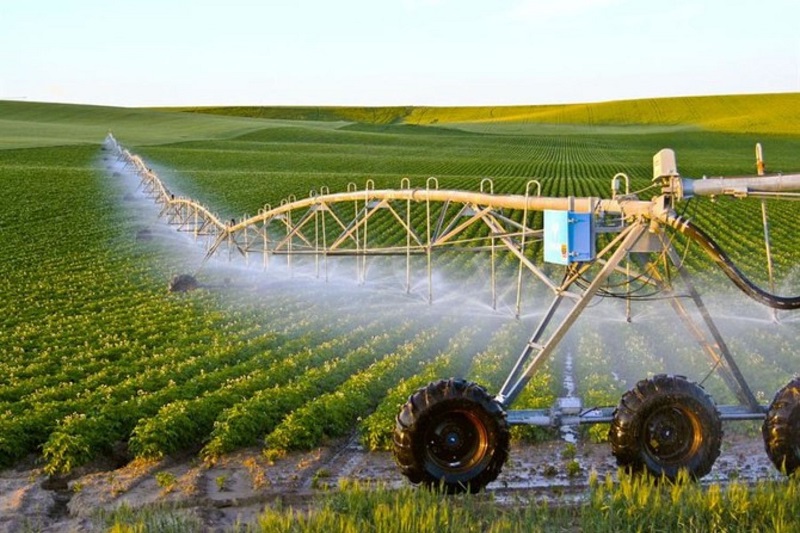
Infrastructure expansion has increased water network coverage to 83.69% and sanitation coverage to 67.05%. The Kingdom has built the world’s largest water transmission and storage system, with storage capacity reaching 29 million cubic meters. Conservation efforts, including the installation of 5,000 agricultural well meters, have saved millions of cubic meters of water, while 30% of treated wastewater is now reused for industrial and agricultural purposes.
The agricultural sector’s GDP rose to SAR118 billion, reflecting a 5% annual growth. Total production reached 16 million tons across basic commodities, reducing the food trade balance deficit to SAR84 billion. To ensure supply stability, the Kingdom purchased 4.52 million tons of wheat through local and international programs. Furthermore, awareness campaigns and the national platform for reducing food loss and waste successfully lowered the national waste rate by 16%.
The palm and date sector achieved record export growth of 14.3% in 2025, reaching a value of SAR1.938 billion. With over 37 million palm trees and production exceeding 1.9 million tons, Saudi dates are now exported to 125 countries under the "Saudi Date" unified brand. Livestock protection also advanced through the vaccination of 41.2 million animals and the declaration of the Kingdom as free from several major equine diseases.
The ministry’s digital transformation efforts, led by the Naama platform, have resulted in 64 new e-services and full implementation of UN e-government standards. Meteorology accuracy rose to 88.81% through advanced flood-warning systems and 120-hour forecast maps. These efforts earned the ministry and excellence award at the World Summit on the Information Society (WSIS) 2025 and the Arab Digital Government Award, affirming the Kingdom's position as a global leader in utilizing AI and emerging technologies for sustainable resource management.