Unilever strengthens local manufacturing footprint as Saudi Arabia advances its industrial ambitions
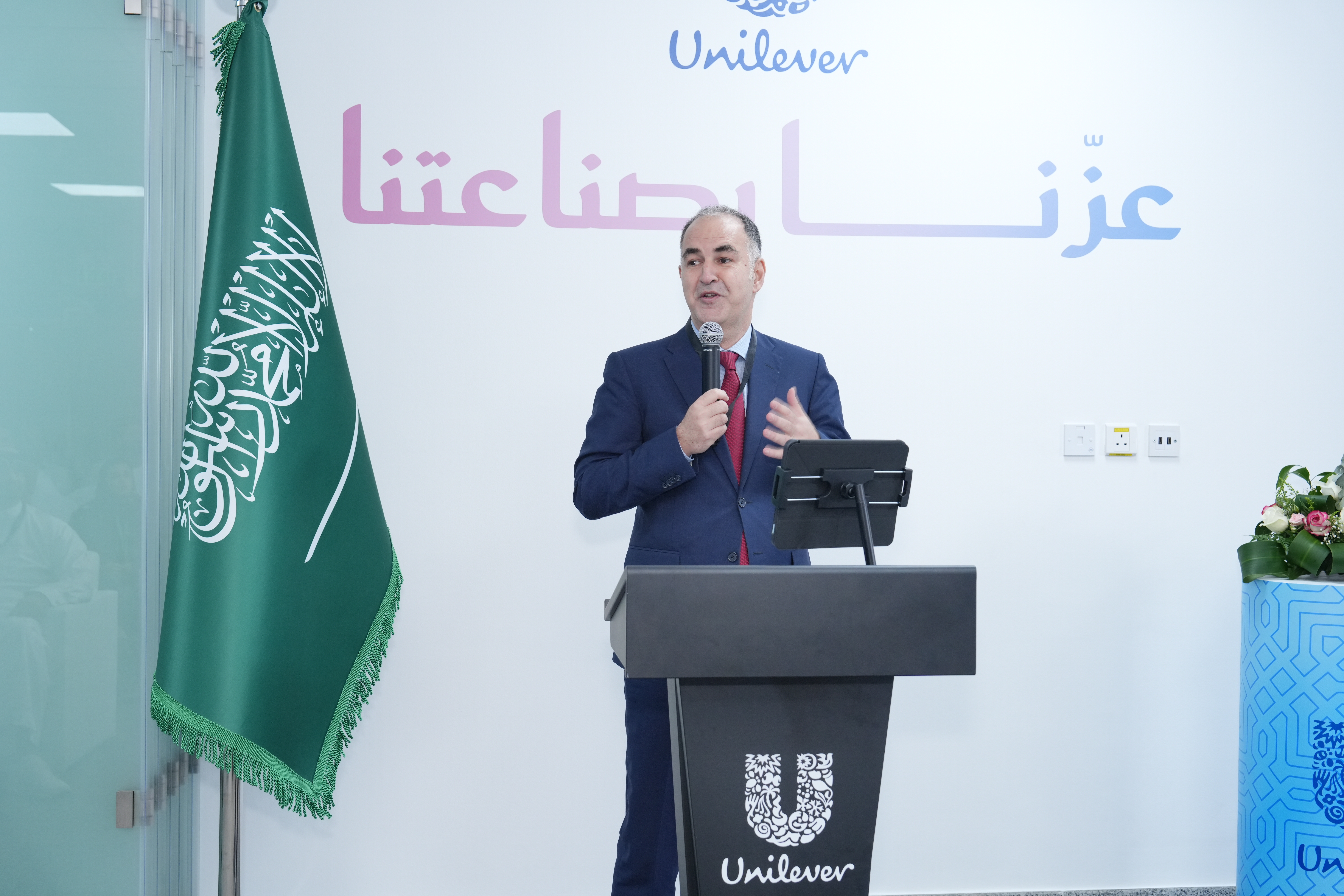
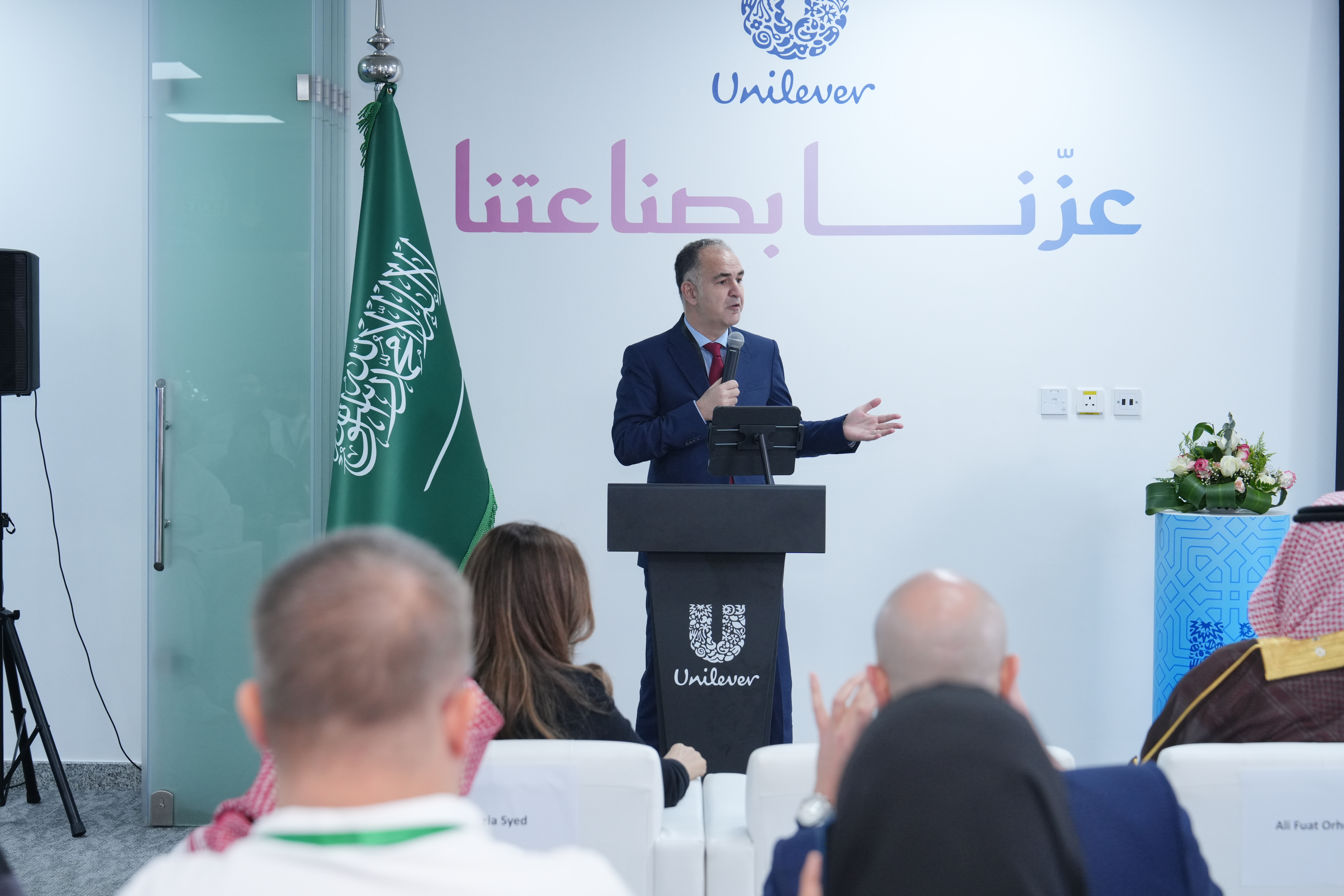
In an interview with Riyadh Daily, Ali Fuat Orhonoğlu, Home Care General Manager for Unilever across Pakistan, Türkiye, the GCC and Bangladesh, spoke about the company’s expanding manufacturing footprint in Saudi Arabia and the role local production plays in supporting the Kingdom’s industrial transformation.
Orhonoğlu said the latest expansion reflects the stage Saudi Arabia’s industrial agenda has reached today, with the focus shifting from infrastructure development to activating advanced manufacturing capabilities that can operate at scale and support long-term growth. He noted that for the home care sector in particular, local manufacturing has become increasingly important in strengthening supply chains and improving responsiveness to market needs.
He explained that producing home care products locally allows Unilever to reduce reliance on imports while building a more resilient operating model over time. According to Orhonoğlu, the Jeddah expansion represents a continuation of the company’s gradual localisation strategy, underpinned by long-term confidence in the Saudi market and its growth trajectory.
Addressing alignment with national priorities, Orhonoğlu said the expansion closely supports the objectives of Saudi Vision 2030, particularly in relation to industrial diversification and the growth of non-oil exports. By manufacturing locally and allocating part of production for regional markets, Unilever is contributing to the Kingdom’s ambition to position itself as a competitive manufacturing and export base serving the wider region.
Saudi Arabia, he added, plays a central role within Unilever’s broader regional strategy, which spans markets across Türkiye, Pakistan, the GCC and Bangladesh. The Kingdom’s scale, infrastructure and increasingly mature industrial ecosystem make it a natural base for advanced manufacturing investments that can support growth both domestically and regionally.
Turning to consumer trends, Orhonoğlu observed that laundry care habits are evolving globally, with a gradual shift from powder detergents toward liquid formats driven by convenience, performance expectations and sustainability considerations. He noted that Saudi Arabia is following a similar trajectory, making the local production of liquid detergents an important strategic focus for Unilever’s home care portfolio.
Producing OMO Liquid locally, he said, allows the company to align closely with these changing consumer preferences while ensuring products are adapted to regional usage conditions. The emphasis is on combining advanced manufacturing technology with formulations designed to perform effectively in local environments, while maintaining consistent quality standards.
In summary, Orhonoğlu described the expansion as part of Unilever’s long-term commitment to building sustainable manufacturing capability in Saudi Arabia. He said the company views the Kingdom not only as a key consumer market, but as a strategic base for export-ready manufacturing that supports economic diversification and strengthens regional supply chains.