"The Media Tent": Building Human Capital and Regional Development at the Heart of Vision 2030
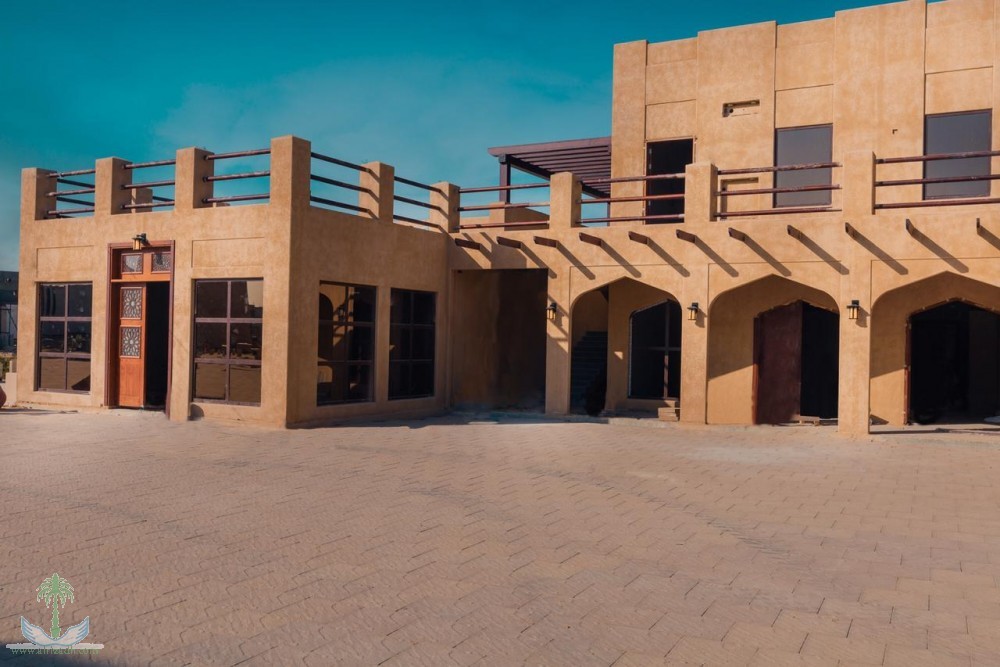
The "Media Tent" initiative, held by the Saudi Media Academy in the Hail region, is far from a fleeting training program. It is a practical, scaled-down model of an integrated strategy that reflects an ambitious vision translating the goals of the Kingdom's Vision 2030 into reality. Analyzing this event reveals several profound layers that extend beyond traditional news formats, highlighting a developmental philosophy based on empowering people, balancing regional development, and strengthening national identity.
Firstly: Investing in Human Capital: The Backbone of Transformation
At the heart of Vision 2030, "investing in people" is a top priority. The "Regional Path" program exemplifies this direction by transferring modern expertise and methodologies directly to young talents in the regions. The workshops' focus on practical skills, such as public speaking and managing press conferences, aims not only to enhance individual competence but also to create a generation of media professionals capable of representing their region and their Kingdom with high professionalism. This achieves the Vision's goal of building a "vibrant society" and a thriving economy based on knowledge and creativity. The attendance of His Excellency the Assistant Minister, Dr. Abdullah Al-Maghlooth, confirms that this investment is not tactical but strategic, stemming from leadership that sees local talent as genuine national wealth.
Secondly: Balancing Regional Development: From Centralization to Local Empowerment
Taking the program out of the capital, Riyadh, and into the Kingdom's regions is a strong signal of the "developmental decentralization" policy pursued by the Vision. The "Regional Path" works to bridge the media gap between the center and the peripheries, providing media professionals in the regions with the tools to highlight their identity, heritage, and economic opportunities. This empowerment strengthens local belonging within the framework of a unified national identity and contributes to activating tourism and investment by spotlighting the assets of each region. This achieves the principle of "developmental justice" and spreads development to all corners of the Kingdom.
Thirdly: Media as a Tool for Shaping Awareness and Building Identity
The program did not focus solely on technical skills but also on "crafting media messages." This reflects a deep understanding of the media's role as a key intermediary in shaping public awareness and formulating the national narrative. In an era of global information flow, possessing the ability to produce professional and influential content has become a national necessity. By qualifying regional media professionals, the Ministry contributes to creating a media discourse that is unified in its goals yet diverse in its expressions, one that reflects societal values and the Vision's ambitions and protects the national space from negative influences.
Fourthly: Strategic Partnerships: A Model for Effective Governance
The signing of the agreement in the presence of regional governors and the Minister of Media highlights a successful model of collaborative governance. It embodies the integration between different regions and central ministerial bodies to serve common goals. This model ensures the programs are adopted by regional governors, increasing their effectiveness and relevance to regional needs, reflecting the advanced institutional efficiency targeted by the Vision.
The "Regional Path" offers a powerful lesson: the success of the ambitious Vision depends on its ability to cohesively link the grand national strategy with precise local implementation. A proposed developmental next step is to measure the impact of these programs systematically by tracking graduates' careers and their impact on improving the quality of local media content, linking this to specific performance indicators that support the Vision's goals in the cultural and social sphere.
The "Media Tent" program is more than training; it is a practical manifesto affirming that Vision 2030 is not merely a document but a dynamic vitality that reaches every young man and woman in every region. It demonstrates that when media is invested in strategically, it transforms from a news conveyor into an active partner in nation-building, a value creator, a guardian of identity, and a supporter of the knowledge economy. This is the essence of the transformation led by the Ministry of Media and its Academy: converting human energies into messengers of development and identity, in a single national march toward the future.