Iran Crisis Reinforces Global Dependence on Gulf Oil for Decades Ahead
Debate has intensified in recent years across international organizations and research centers over the future of energy, and whether the world is gradually moving away from oil in favor of alternative sources. However, geopolitical tensions in the Gulf — particularly the Iran crisis — have reframed this question from a more practical perspective, closely tied to the realities of global energy markets.
Tensions Expose Fragility of Energy Markets
Recent developments in the region, especially those linked to critical energy routes such as the Strait of Hormuz, have highlighted the sensitivity of global markets to geopolitical disruptions. With each escalation, concerns over supply rise, while transportation and insurance costs increase, reinforcing the need for reliable and responsive energy sources.
In this context, the Gulf — led by Saudi Arabia — stands out as a key pillar of stability in global energy markets, supported by substantial production capacity, advanced infrastructure, and the ability to meet demand under various conditions.
An Early Vision of Oil’s Future
In previous remarks, Mohammed bin Salman noted that oil will remain a fundamental component of the global energy mix, expecting demand to continue through 2030 and 2040, driven by economic growth and development needs.
This perspective reflects a long-term understanding of market dynamics, as oil continues to play a central role in powering industries, transportation, and global supply chains.
Challenges Facing the Energy Transition
Meanwhile, Amin Nasser, CEO of Saudi Aramco, stated that the rapid transition away from conventional energy faces significant challenges, noting that some current approaches may not be realistic given the sustained global demand for oil and gas.
At the same time, alternative energy sources continue to face issues related to stability, productivity, and high storage and infrastructure costs, making full reliance on them in the near term increasingly complex.
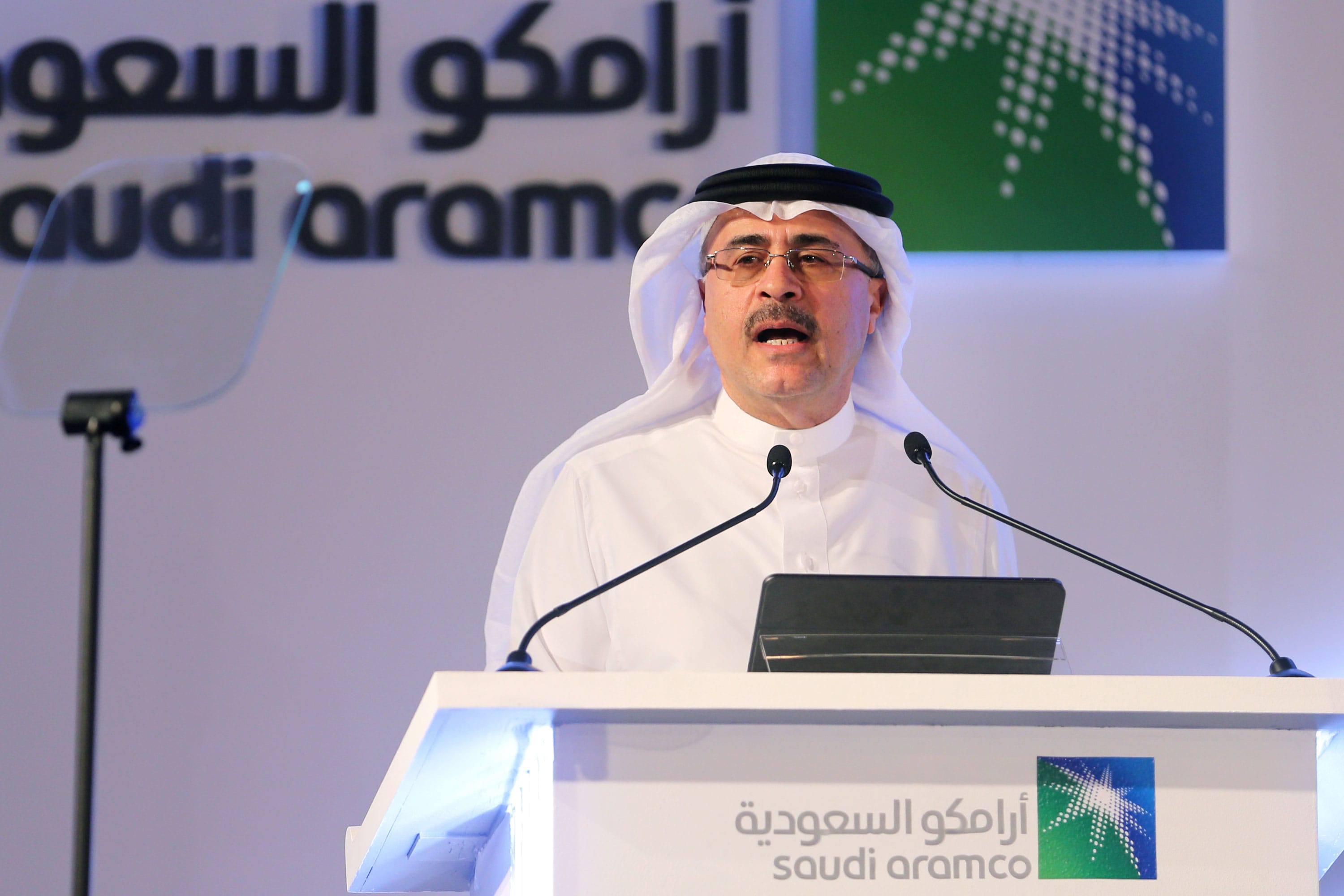
Amin Nasser, CEO of Saudi Aramco
Global Bank Forecasts for Oil Prices in 2026
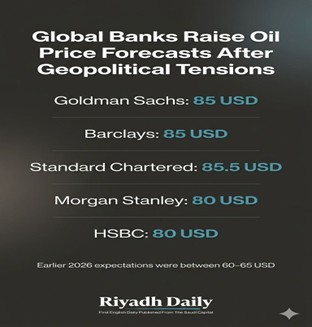
At the start of the year, estimates suggested that Brent crude would average between $60 and $65 per barrel, in line with Saudi Arabia’s budget assumptions. However, geopolitical tensions in the region have pushed financial institutions to revise their outlooks upward.
Goldman Sachs forecasts prices at around $85 per barrel, a level also projected by Barclays, while Standard Chartered has raised its estimate to approximately $85.5.
In contrast, Morgan Stanley expects prices to stabilize near $80 per barrel, a level similarly projected by HSBC — reflecting a clear shift in market expectations toward higher price ranges.
Rising Investment in the Energy Sector After the Crisis
Energy and technology expert Engineer Mohammed Al-Ghazal told Riyadh Daily that the Middle East remains the beating heart of global energy supply, particularly for Asian economies.
He added that companies operating in the region are well-positioned to achieve strong profitability in the coming period, driven by rising demand for crude oil, petroleum derivatives, and petrochemicals.
He also noted that higher conventional energy prices are accelerating investment in alternative energy, particularly green hydrogen, which is witnessing expanding interest both regionally and globally.
Al-Ghazal pointed out that some fields in the Middle East have experienced temporary disruptions due to geopolitical tensions, with evaluations currently underway to determine the return of each field to production.
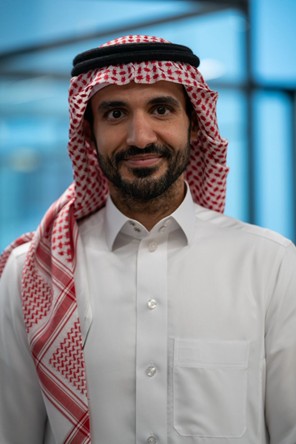
Mohammed Al-Ghazal
He emphasized that Saudi Arabia possesses significant capacity and abundance in both conventional and alternative energy production.
He further expected increased interest in Saudi Arabia’s energy sector from major investment funds, infrastructure funds, as well as local and international investors, driven by growth opportunities and supply reliability.
As the global push toward clean energy accelerates, recent geopolitical developments suggest that oil — particularly from the Gulf — will remain an indispensable component of the global energy equation for decades to come.
Between future ambitions and present realities, the world still appears to require a balanced energy mix, with Gulf oil standing as one of its core pillars.